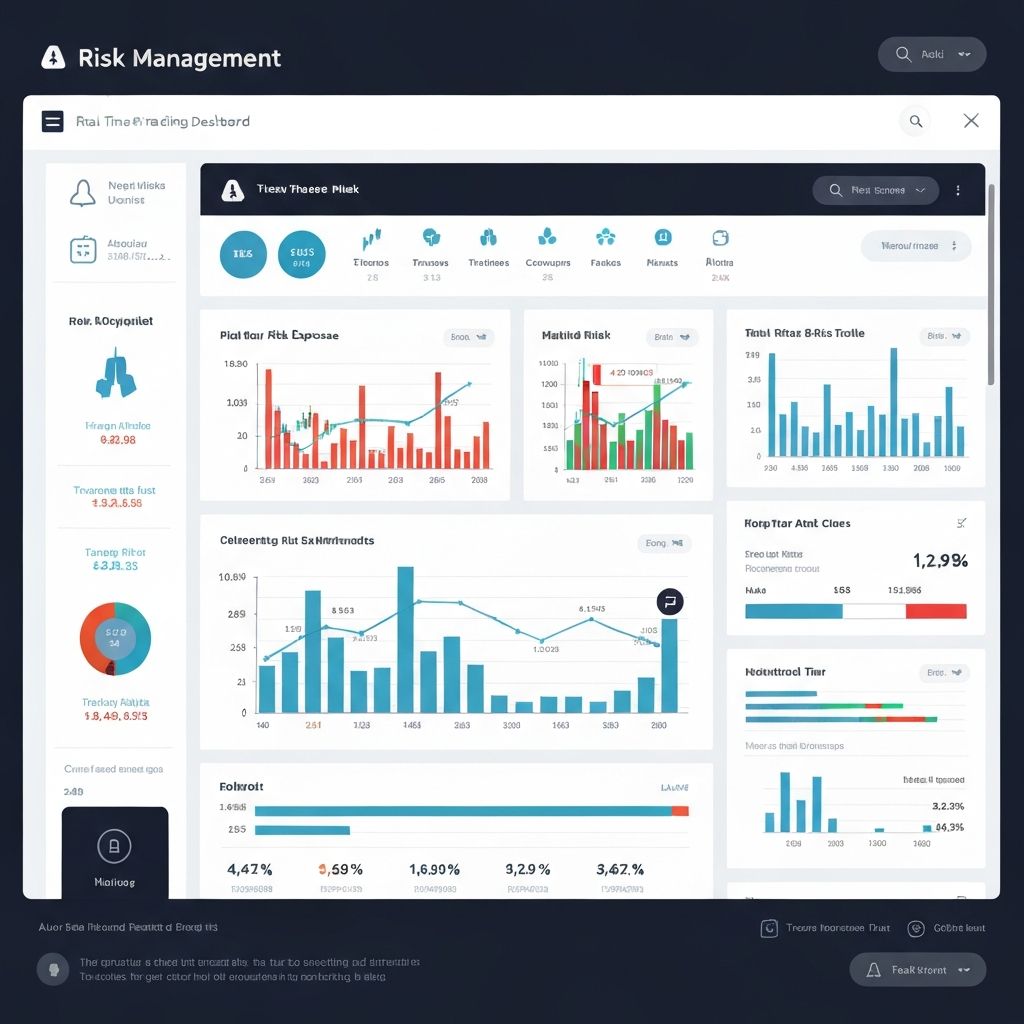
Why Risk Management Matters
Risk management is the cornerstone of successful trading. Without it, even the best trading strategy can lead to significant losses. Professional traders often say that preserving capital is more important than making profits.
The 1% Rule
One of the most widely used risk management principles:
Never risk more than 1% of your account on a single tradeFor a $10,000 account, maximum risk per trade = $100This allows for losing streaks without devastating your accountCalculating Position Size
Position Size = (Account Balance × Risk Percentage) / (Stop Loss in Pips × Pip Value)
Example:Account: $10,000Risk: 1% ($100)Stop Loss: 50 pipsEUR/USD pip value: $10 per standard lotPosition Size: $100 / (50 × $10) = 0.2 lotsEssential Risk Management Tools
1. Stop-Loss Orders
Always use them: No exceptionsPlace them logically: Based on support/resistance, not arbitrary numbersDon't move them: Especially not further away from entry2. Take-Profit Orders
Set realistic targets based on technical analysisConsider using multiple take-profit levelsSecure profits as the trade moves in your favor3. Trailing Stops
Automatically move your stop-loss as price moves favorablyLock in profits while allowing trades to runUseful in trending marketsRisk-to-Reward Ratio
Aim for a minimum 1:2 risk-to-reward ratio:
Risk $100 to potentially make $200This means you only need to be right 40% of the time to be profitableCalculating Expected Value
Expected Value = (Win Rate × Average Win) - (Loss Rate × Average Loss)
Example with 1:2 RR and 45% win rate:EV = (0.45 × $200) - (0.55 × $100) = $90 - $55 = $35 per trade
Strategies for Volatile Markets
1. Reduce Position Sizes
Cut your normal position size in half during high volatilityWider stops require smaller positions to maintain the same dollar risk2. Widen Stop-Losses
ATR-based stops adapt to volatilityMultiply normal stop distance by 1.5-2x in volatile conditions3. Avoid News Events
Stay flat during major economic releasesRe-enter after volatility subsidesUse pending orders if you must trade news4. Diversification
Don't put all your risk in correlated pairsEUR/USD and GBP/USD often move togetherBalance exposure across different currency groupsMaximum Drawdown Limits
Set rules for when to stop trading:
Daily loss limit: Stop after losing 3% in a dayWeekly loss limit: Take a break after 5% weekly drawdownMonthly loss limit: Reassess strategy after 10% monthly drawdownEmotional Risk Management
Avoid Revenge Trading
After a loss:
Step away from the screenReview what went wrong objectivelyOnly return when emotionally neutralCombat Overconfidence
After a winning streak:
Don't increase position sizes dramaticallyStick to your proven risk parametersRemember that losses are inevitableCreating a Risk Management Plan
Define risk per trade: (1% recommended)Set maximum daily/weekly loss limitsEstablish position sizing rulesDetermine correlation limitsPlan for high-volatility eventsReview and adjust monthlyConclusion
Risk management isn't glamorous, but it's what separates successful traders from those who blow their accounts. Implement these strategies consistently, and you'll be positioned to weather market storms and capitalize on opportunities.
Practice these risk management techniques on a demo account before applying them to live trading. At SR Global FX, we provide advanced risk management tools to help you protect your capital.